Protect yourself from Lyme Disease

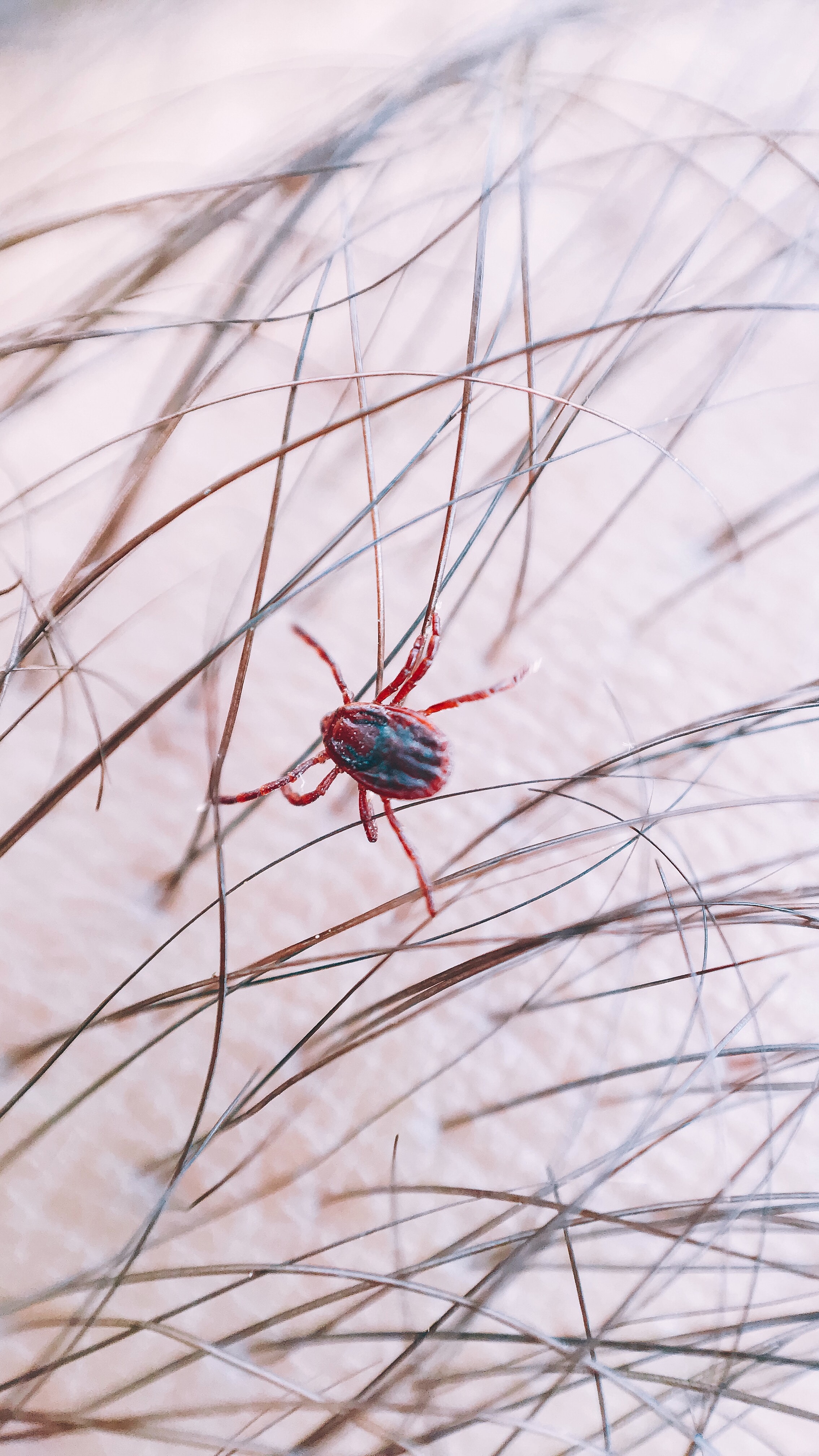
A1Exterminators tick bite
#1 — Clear Out Lawn & Tree Debris: Ticks thrive in shady, moist areas. Clear away compost and debris piles and separate play areas with wood chips or gravel. #2 — Clean Up & Check Out Hiding Places: Clear out leaf litter and brush around your property and keep tall grass short and... more
Tagged with: ,

Why Do Ants Have Two Stomachs?

A1Exterminators david higgins dSM6qcdS7Hk unsplash
Ants have two stomachs. One is for personal consumption; the other is for feeding fellow ants, larvae, and queens. When harvesting food, this amazing insect can decide what passes through its personal stomach and what it keeps for redistribution. In its “social stomach” the menu is... more
Tagged with: ,

Ant inspection | Bug Tip Tuesday

A1Exterminators thomas kinto QEkPeFtkON0 unsplash
A proper inspection will help you determine the most heavily infested areas as well as the nest location. Before applying treatment you will have to know where they are coming from. In this step, you will be searching for ant activity and tell-tale signs of ant activity as well as potential entry... more
Tagged with: ,

Tick Facts at a Glance

A1Exterminators foad roshan 6QIrFYr6 M8 unsplash
Ticks are arthropods of the class Arachnida (not an insect). Arachnids also include spiders and mites; The general life cycle of a hard tick: Egg - larva (has six legs); nymph (has eight legs); adult (also has eight legs); All three stages (nymph, larva and adult) require at least one... more
Tagged with: ,

Non-biting flies

A1Exterminators krzysztof niewolny 7fl0KqnYH7k unsplash
Non-biting flies are one of the most important pest groups because they are not only nuisance pests, but many are also important in disease transmission. Flies feed on a variety of food materials but most of those of structural importance develop in either fermenting or decaying organic matter,... more
Tagged with: ,

Ant facts

A1Exterminators sian cooper CAOZbgPa 7o unsplash
Ants are insects of the family Formicidae and, along with the related wasps and bees, belong to the order Hymenoptera. There is an estimated 22,000 species of ants. Ants have colonized almost every landmass on Earth. The only places lacking indigenous ants are Antarctica and a few remote or... more
Tagged with: ,

Bees are not native to North America

A1Exterminators michael anfang PVGeLapb93A unsplash
It seems to have originated in eastern tropical Africa and spread from there to Europe and eastwards into Asia to the Tien Shan range. It is variously called the European, western or common honey bee in different parts of the world. Although not native to North America, bees are found in every... more
Tagged with: ,

How to treat a bee sting in children

A1Exterminators photo 1555773443 464ec72c8515
When dealing with bee stings in children, remove the stinger as quickly as possible, so the venom has less time to do its dirty work. You’ll see it sticking up out of the skin. Pull the stinger out with your fingers.  Gently wash the area with soap and water. Apply an ice pack or cold,... more
Tagged with: , ,

Mouse Prevention | Bug Tip Tuesday

A1Exterminators photo 1535092385070 a4a66c66a52e
That patter of little footsteps may be mice. Mice like to stay warm and dry, just like you. So as cool and wet weather rolls in, mice invite themselves into your home, chewing through electrical wires and making nests in your attic insulation. And since the gestation period for mice is about 20... more
Tagged with: ,

Northern Black Widow Spider

A1Exterminators photo 1534105202621 4233721dcaff
Northern Black Widow Spider is found outdoors, they are found in old stumps, hollow logs, under fallen fence posts, in abandoned animal burrows or piles of brush, and in the corners of sheds and crawlspaces. In the northern black widow, the distinctive "hour glass" marking on the underside of the... more
Tagged with: , ,