Bug Tip Tuesday | How to Find Bed Bugs

A1Exterminators Capture bed bug
If you have a bed bug infestation, it is best to find it early, before the infestation becomes established or spreads. Treating a minor infestation, while an inconvenience, is far less costly and easier than treating the same infestation after it becomes more widespread. However, low-level... more
Tagged with: ,

Nervous Jumping Spiders

A1Exterminators photo 1537447486191 ee468e51c653
Named for their propensity to jump on prey or when startled, this large family of spiders varies a great deal in coloration, distribution and size. Common jumping spiders in New England include the bold jumper (Phidippus audax), tan jumping spider (Platycryptus undatus) and zebra jumper (Salticus... more
Tagged with: , ,

Squirrel Life Cycles

A1Exterminators photo 1507666405895 422eee7d517f
About 25 percent of all squirrels don't make it past the first year of life. The death rate for squirrels stays high for its first two years of life due to predators, diseases and road accidents. A squirrel that makes it past its first two years can expect to live an average of four to five more... more
Tagged with: , ,

Tick Eggs and Humans

A1Exterminators tick
The good news is that ticks don’t lay eggs on humans or on any other animals. Adult female ticks only lay their eggs after they have filled up on blood and detached from the host. The bad news is that tick eggs can still be a serious problem. If they detach from you or your pet inside your... more
Tagged with: , ,

Common New England Spiders

A1Exterminators photo 1514879664436 94ab508287a1
In the New England region of the United States, the most common species of spider fall into a few families: crab spiders, grass spiders, jumping spiders, nursery web spiders, orb weavers and wolf spiders. These New England spiders are generally of common house spider size, growing no larger than an... more
Tagged with: , , , , , , ,

Bug Tip Tuesday | Getting Rid of Tick Eggs

A1Exterminators Tick eggs 2
If you find them in your home, the best way to kill tick eggs is using table salt. Sprinkle a generous amount of salt over your carpet or couch cushions, and leave the salt for a week. The salt will dehydrate and kill tick eggs. To kill tick eggs in the yard you can use commercially available... more
Tagged with: , , ,

Identify and Prevent Rodent Infestations

A1Exterminators photo 1566251926955 3cf45ab98205
Rodent droppings around food packages, in drawers or cupboards, and under the sink. Nesting material such as shredded paper, fabric, or dried plant matter. Signs of chewing on food packaging. Holes chewed through walls and floors that create entry points into the home. Stale smells... more
Tagged with: , ,

Curious Crab Spiders

A1Exterminators photo 1528031969824 8b590c08db21
These spiders, which are among the most common spiders found in Massachusetts, have a characteristic crab-like body shape and may even walk sideways or backwards like crabs. Since they do not build webs, crab spiders hide and wait for their prey. The best places to find these spiders are open areas... more
Tagged with: , ,

Brown marmorated stink bug

A1Exterminators 1024px Pentatomidae Halyomorpha halys 001
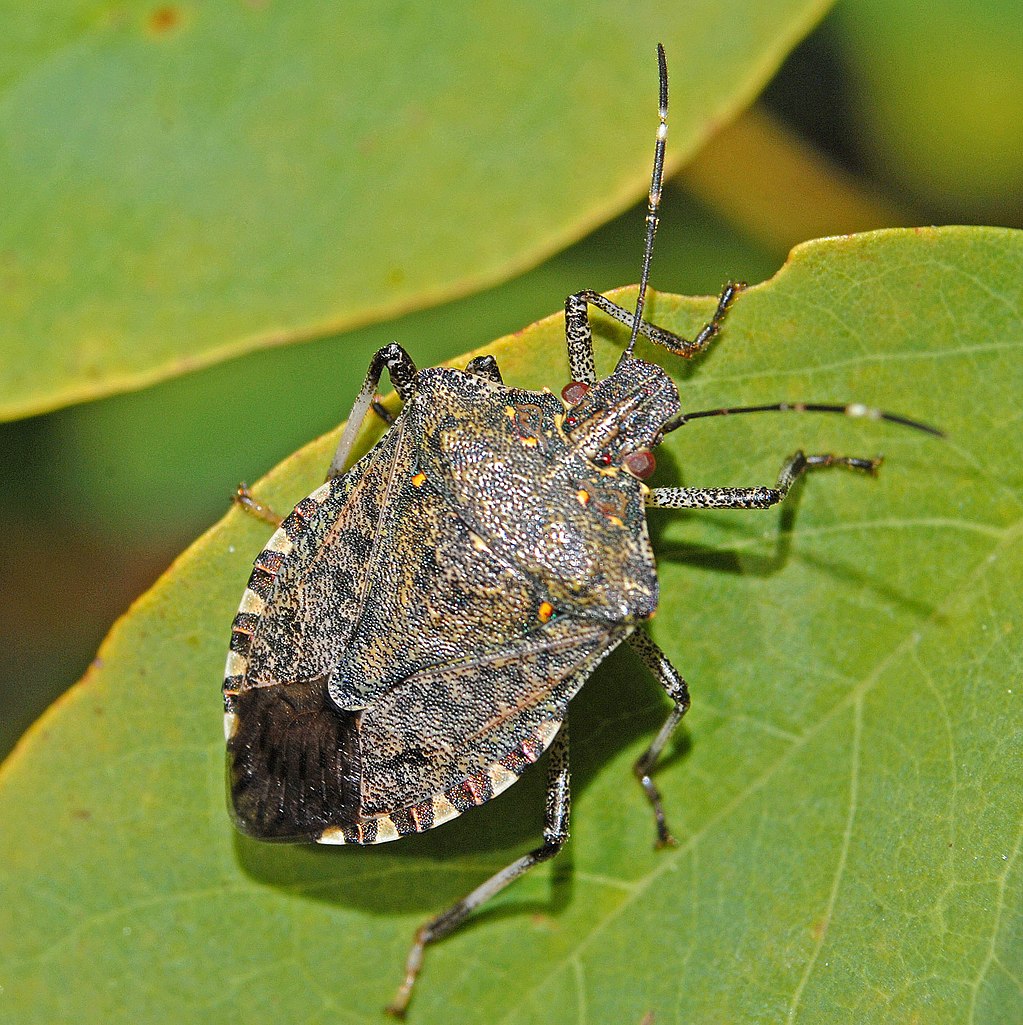
The brown marmorated stink bug (Halyomorpha halys) is an insect in the family Pentatomidae, native to China, Japan, the Korean Peninsula, and Taiwan.In September 1998 it was collected in Allentown, Pennsylvania, where it is believed to have been accidentally introduced. The nymphs and adults of the... more
Tagged with: ,

Educational Video: “Infestations Vacations”

A1Exterminators photo 1562186347 a264b0e5681f
This short video, produced by Howard University's CapComm Lab, the Earth Conservation Corps, and EPA, takes a humorous look at how conditions inside the home can provide food, water, and shelter where pests can thrive, and provides practical ways to prevent infestations. by United States... more
Tagged with: , ,