Tuck in your shirt tail when adult ticks are active

A1Exterminators iStock 1162505215
Adult ticks typically latch on about knee level, while nymphs commonly latch on at shoe level. But ALL ticks tend to crawl upward; so while nymphs crawl upward under pant cuffs, adult ticks will crawl up the outside of pants, then readily continue to crawl upward under an untucked shirt. It... more
Tagged with: , , ,

An Introduction to Ants

A1Exterminators iStock 1214611880
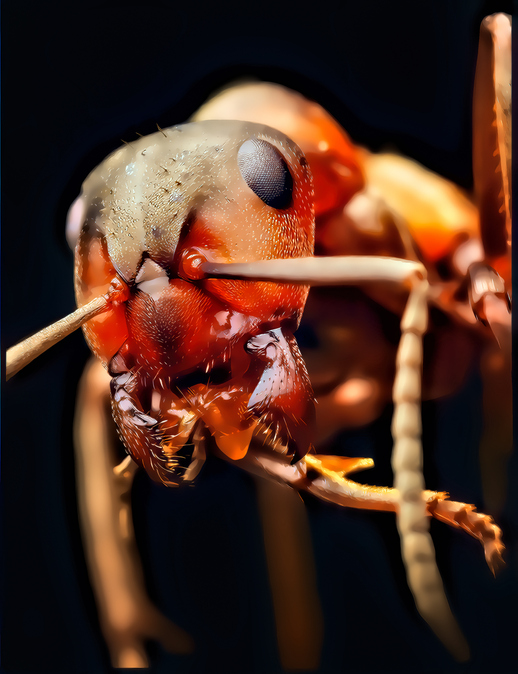
Ant facts Ants belong to the insect order Hymenoptera and are close relatives of bees and wasps. More than 12,000 species occur throughout the world. Ants are common pests in homes, restaurants, hospitals, and warehouses. Ants enter buildings seeking shelter, food, and water. ... more
Tagged with: ,

First Aid For Stings

A1Exterminators iStock 1028008454
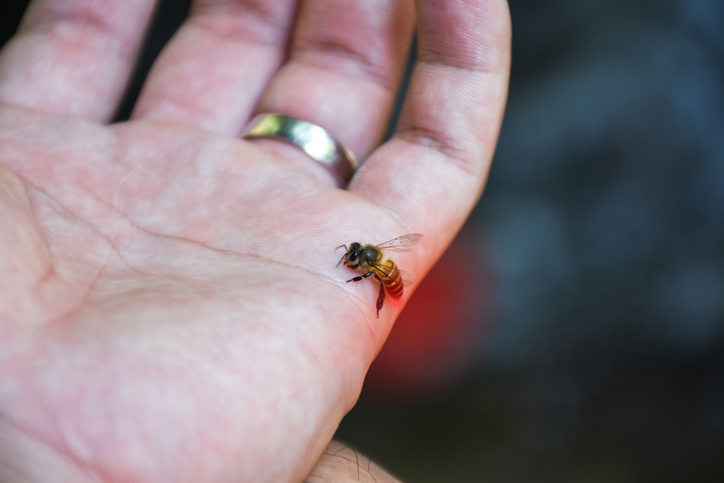
The health impacts from insect stings vary widely. Most people experience pain, itching, redness, and localized swelling, which can be reduced with over-the-counter antihistamines and an ice pack. Cleansing the affected area with soap and water can also help prevent infection. Conversely—... more
Tagged with: ,

Life-cycle of Ixodes scapularis (a.k.a. blacklegged or deer tick)

A1Exterminators iStock 1251276891
Life-cycle of Ixodes scapularis(a.k.a. blacklegged or deer tick) in the northeast/mid-Atlantic/upper mid-western United States. Larval deer ticks are active in August and September but these ticks are pathogen-free. Ticks become infected with pathogens when larvae (or nymphs) take a blood meal... more
Tagged with: ,

Happy Independence Day from A1

A1Exterminators Capture a1 4th
You're Not The Only One Celebrating! Mice and other pests don't take breaks on holiday's. If you need HELP with pest issues call any one of our many offices. Quick Tip: If you know where mice are breaking in, wad up some foil and firmly jam it in the hole. We don't know if mice don't like the... more
Tagged with: , , , ,

Wasp and hornet stings

A1Exterminators jason charles hill kwQwr7U0M6s unsplash
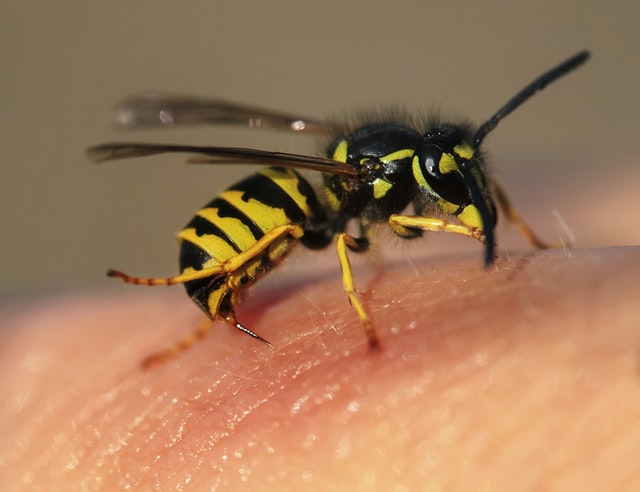
Wasp and hornet stings are a serious threat to public health. Allergic reactions to these venomous insects account for about 225,000 emergency room visits and as many as 100 deaths per year in the U.S. (a mortality rate that may be under-reported due to deaths mistakenly attributed to heart attacks... more
Tagged with: , , ,

Bed Bugs! The little invaders!

Bed bug infestation
Bedbugs are small, reddish-brown parasitic insects that bite the exposed skin of sleeping humans and animals to feed on their blood. Although bedbugs aren't known to spread disease, they can cause other public health and economic issues. About the size of an apple seed, bedbugs hide in the... more
Tagged with: ,

Lyme disease begins in up to 60 to 80% of patients
A1Exterminators iStock 1216244002
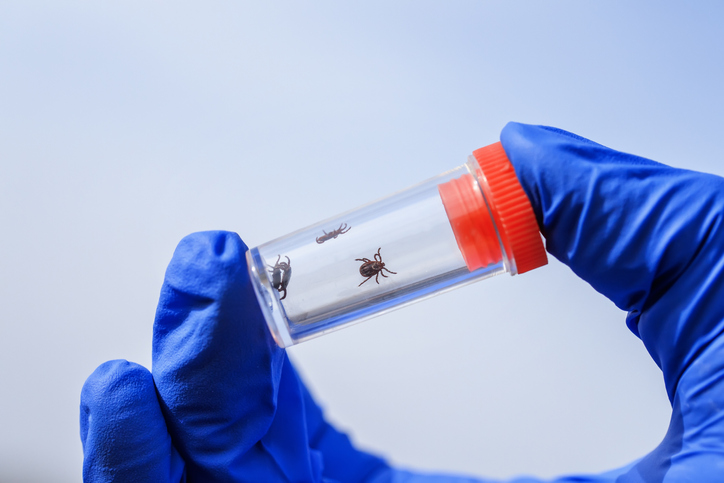
Lyme disease begins in up to 60 to 80% of patients as a slowly expanding reddish rash known as “erythema migrans”, typically 3 to 32 days after the bite of an infectious tick. This rash, which may not be apparent on dark-skinned people, usually begins at the location where the tick attached... more
Tagged with: ,

Preventing Bee Stings

A1Exterminators iStock 1014413178
Here are some general tips on avoiding insect stings; Don’t swat at flying insects. If they land on you, gently brush them off, and then walk away. Observe the flight pattern of the insects to determine their nest site, and then avoid it. Avoid floral perfumes, lotions and hair... more
Tagged with: ,

Bees are fuzzy

A1Exterminators iStock 1140288473
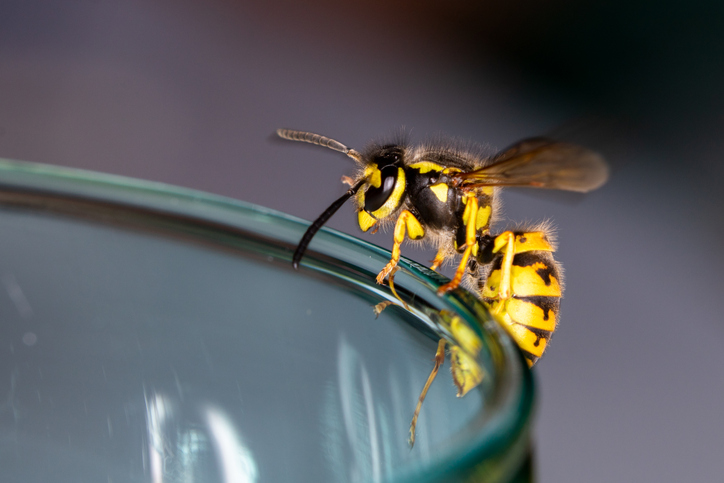
Bees are fuzzy, flying insects with yellow and black stripes. There are two common types of bees: honey bees and bumble bees. Bees are beneficial to humans because they pollinate plants, whereas wasps and hornets help out by eating other insects. However, all three can be hazardous. Stings can... more
Tagged with: ,