Create a Tick-safe Zone to Reduce Blacklegged Ticks in the Yard

A1Exterminators erik karits KtFi0m12WGc unsplash
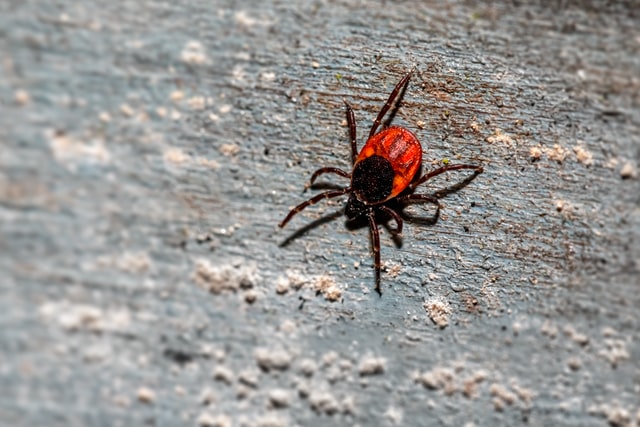
Here are some simple landscaping techniques that can help reduce blacklegged tick populations: Remove leaf litter. Clear tall grasses and brush around homes and at the edge of lawns. Place a 3-ft wide barrier of wood chips or gravel between lawns and wooded areas to restrict tick... more
Tagged with: ,

Preventing ticks on your pets

A1Exterminators erik karits iZR2SI7tcQw unsplash
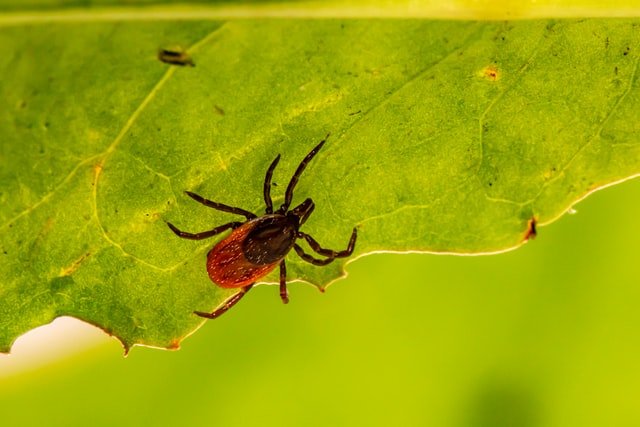
Dogs are very susceptible to tick bites and tickborne diseases. Vaccines are not available for most of the tickborne diseases that dogs can get, and they don’t keep the dogs from bringing ticks into your home. For these reasons, it’s important to use a tick preventive product on your... more
Tagged with: ,

What Do Mice Droppings Look Like?

A1Exterminators iStock 950581364
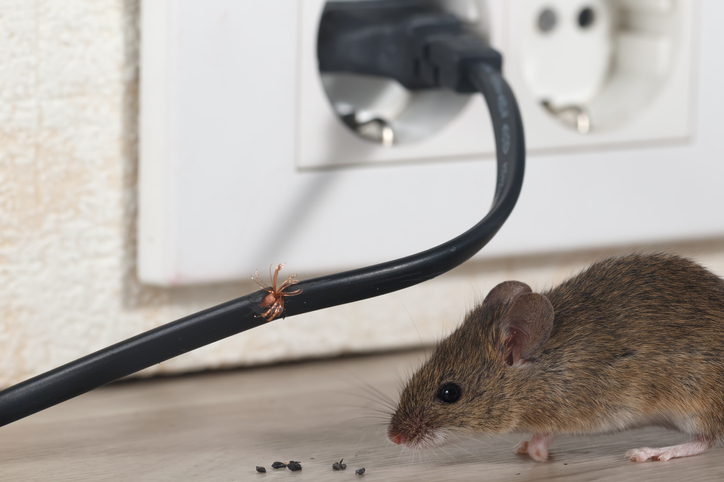
It is crucial to identify whether the droppings are left by rodents or insects. One way to determine this is to look at the number of droppings. Mice poop a lot. Every day, mice can produce between 50 to 75 droppings. If you have many droppings in your pantry, then it is likely from mice. This... more
Tagged with: ,

Why We Need Mosquito Control

A1Exterminators pexels photo 2382223
The emergence and spread of West Nile Virus may be the first in a series of exotic diseases imported due to the worldwide increase in eco-tourism and international air travel. Malaria, Rift Valley Fever, Chikungunya Virus and dengue fever are but a plane flight away, and public health officials at... more
Tagged with: ,

Young Bedbugs

A1Exterminators bed bug feeding on skin 2
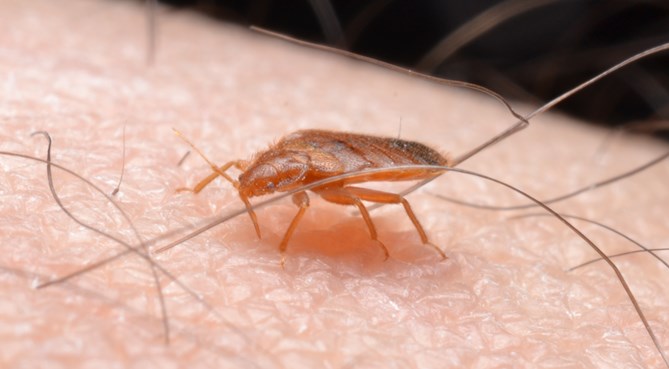
Immature bedbugs, called nymphs, shed their skins five times before reaching maturity and require a meal of blood before each shedding. Under favorable conditions the bugs can develop fully in as little as a month and produce three or more generations per year. Although they are a nuisance, they... more
Tagged with: ,

How Yellow Jacket Wasps Affect Honey Bees

A1Exterminators yellowjacket wasp flower
In a beehive, yellow jacket wasps eat honey and destroy honeycomb, kill adult bees, eat honey bee eggs and chew up honey bee brood to feed to their larvae. Beekeepers have reported yellow jackets even killing the queen bee in a honey bee colony. It is not clear if the yellow jackets can identify... more
Tagged with: ,

House Spider – Habits and Habitat

A1Exterminators elizabeth praetz 8NMLWPo5z4w unsplash
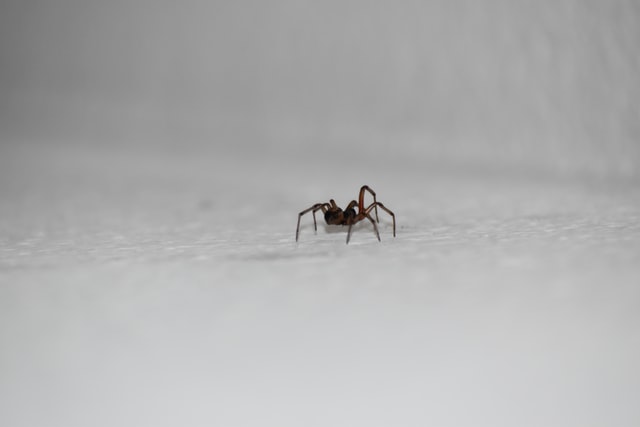
The common house spider randomly selects its web sites and creates a tangled web. If a web does not yield prey (food) it is abandoned, another site is selected, and a new web built. Eventually, successful webs are constructed where air currents bring in prey. House spiders have a difficult time... more
Tagged with:

Rats and mice spread over 35 diseases

A1Exterminators joshua j cotten QxW15BmJxOQ unsplash
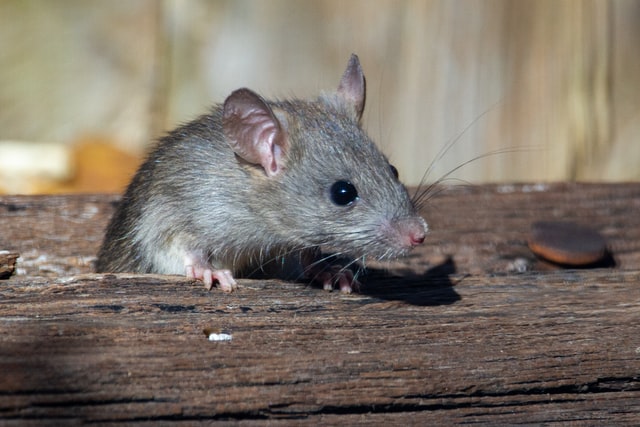
Worldwide, rats and mice spread over 35 diseases. These diseases can be spread to humans directly, through handling of rodents, through contact with rodent feces, urine, or saliva, or through rodent bites. Diseases carried by rodents can also be spread to humans indirectly, through ticks, mites or... more
Tagged with: , ,

Which is worse, a hornet or a wasp?

A1Exterminators bob brewer nwiyCJ12JYE unsplash
The debate between hornets vs. wasps and which one is worse has been a hot issue for many nature experts and enthusiasts. Some beekeepers argue that both are bad for their bee colonies because they prey on bees and larvae. Not to mention, hornets vs. wasps stings are painful to deal with if you... more
Tagged with: ,

What Yellow jackets eat?

A1Exterminators bee can
Like many other flying insects, adult Yellow jackets feed on sugary substances such as flower nectar, fruit, and the occasional soda when they find an open can. What makes Yellow jackets unique is that they consume protein in their larval stage. Workers bring insects and other types of meat back to... more
Tagged with: ,