How to identify Fleas

A1Exterminators iStock 1254016795
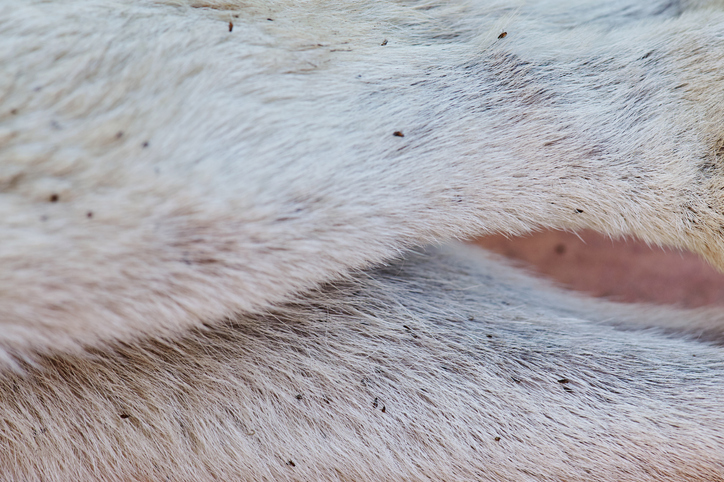
Identification Adult: body dark, laterally flattened, wingless; hind legs adapted for jumping; mouthparts adapted for piercing skin and sucking blood; row of large bristles often present on head and/or thorax (called genal and pronotal combs) Larva: pale legless worm-like body covered... more
Tagged with: ,

Pesticide Use Around Pets

A1Exterminators iStock 1216839541
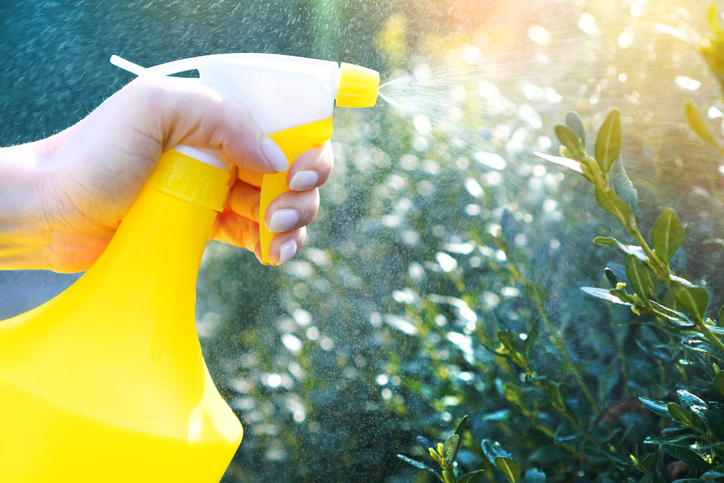
People often use pesticides in their homes or yards to control a variety of pests such as insects, weeds and rodents. Pet owners may also apply pesticide products directly to their pets to control ticks and/or fleas. Although these pesticides can be beneficial, they have the potential to hurt... more
Tagged with: ,

7 Quick Ways to Prevent Mosquito Bites
A1Exterminators iStock 157316301
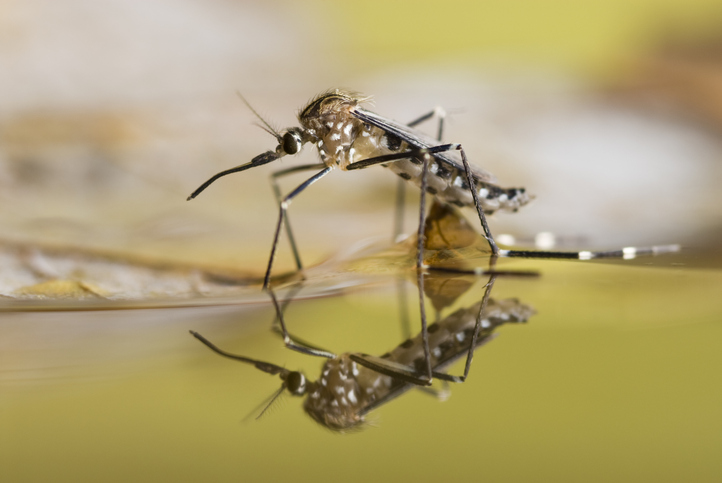
Dump out any standing Water Keep mosquitos outside Use mosquito repellent Wear light-colored clothing, especially outdoors Stay indoors during dusk and dawn Make yourself less appealing Try a natural repellant By: Medical... more
Tagged with:

Hornets and Yellow Jackets — What’s the Buzz
A1Exterminators iStock 1220119503
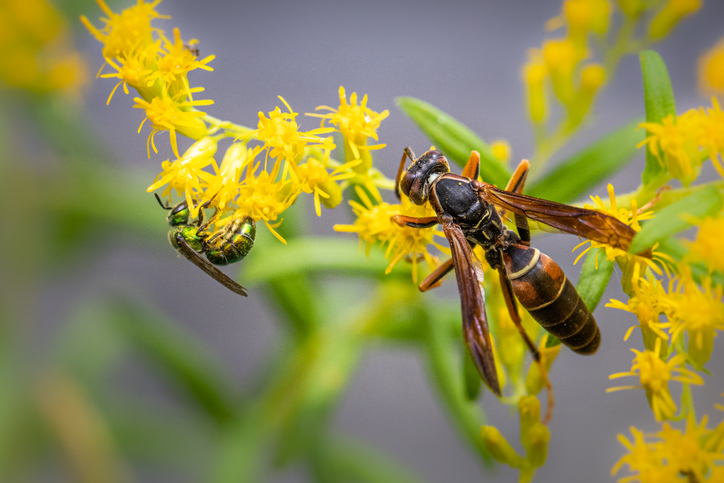
Hornet The most common hornet species is the bald-faced hornet (D. maculata), which is stout-bodied and marked with dark and white striping. Stings from hornets usually occur when nests are disturbed. Yellow Jacket Yellow jackets (Vespula spp.) are banded yellow or orange and black and... more
Tagged with: , ,

Ants — When is the best time to start managing for pest ants?
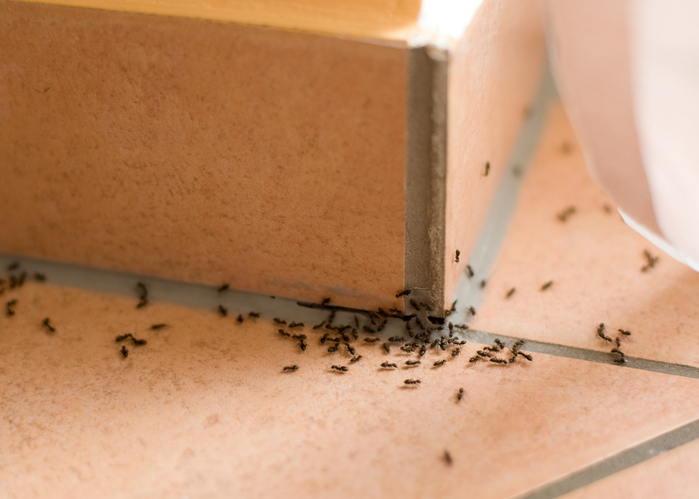
Ants crawling inside of home on the floor
For most ants, foraging activity usually declines in late fall when temperatures cool, and picks back up again in early spring as days get warmer. Timing your management strategies to coincide with these seasonal changes in activity can improve management success, particularly into the summer... more
Tagged with: ,

Fleas can be tough to spot

A1Exterminators iStock 1138736004
Despite their busy jumping schedules, fleas can be tough to spot – they measure in at 1/16 to 1/8-inches long. And that’s just the adult, well-fed (not to say chonky) fleas we’re talking about, not young specimens. But just because you don’t always see them, it doesn’t mean they are... more
Tagged with: ,

Carpenter Ants Like to Chew

A1Exterminators iStock 950900686
Carpenter ants get their name from the fact that they chew through wood to make nests. However, they do not eat wood like termites. They eat sweet foods, pet food, and other insects. Carpenter ants are commonly found in wooded areas, nesting in trees, logs, and stumps. Carpenter ants may also be... more
Tagged with: ,

Why is it often necessary to make multiple applications to eliminate a cat flea infestation?

A1Exterminators iStock 547012722
The need for multiple applications has a lot to do with the flea’s biology and behavior. Fleas undergo complete metamorphosis, meaning they have four life stages: egg, larva, pupa and adult. During both the egg and the pupal stage, fleas are protected from hazardous environmental conditions by... more
Tagged with: ,

Know the enemy—We’ve got intel on what makes fleas and ticks tick
A1Exterminators iStock 545371420
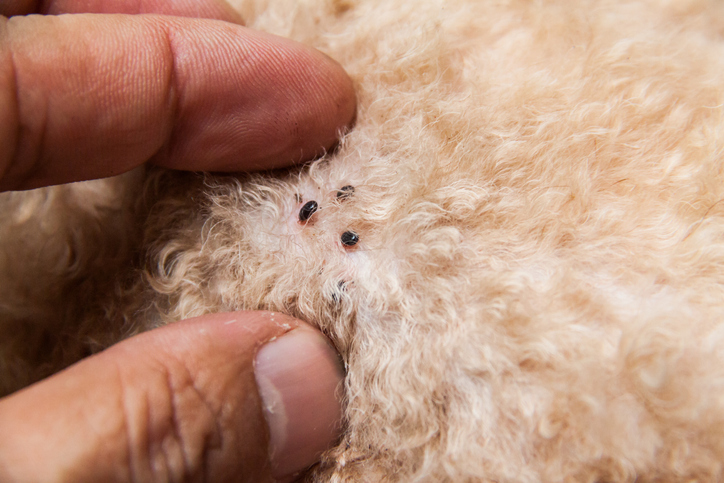
They think of your dog as their summer home and they plan to take up residence for generations unless you evict them. And it’s not just that these parasites are pesky and nasty. There is also a risk of your pet contracting various diseases and developing certain health issues because of the... more
Tagged with: ,

Insect Repellents and Children

A1Exterminators iStock 181070501
Choosing an Insect Repellent for Your Child Mosquitoes, biting flies, and tick bites can make children miserable. While most children have only mild reactions to insect bites, some children can become very sick. One way to protect your child from biting insects is to use insect... more
Tagged with: , ,