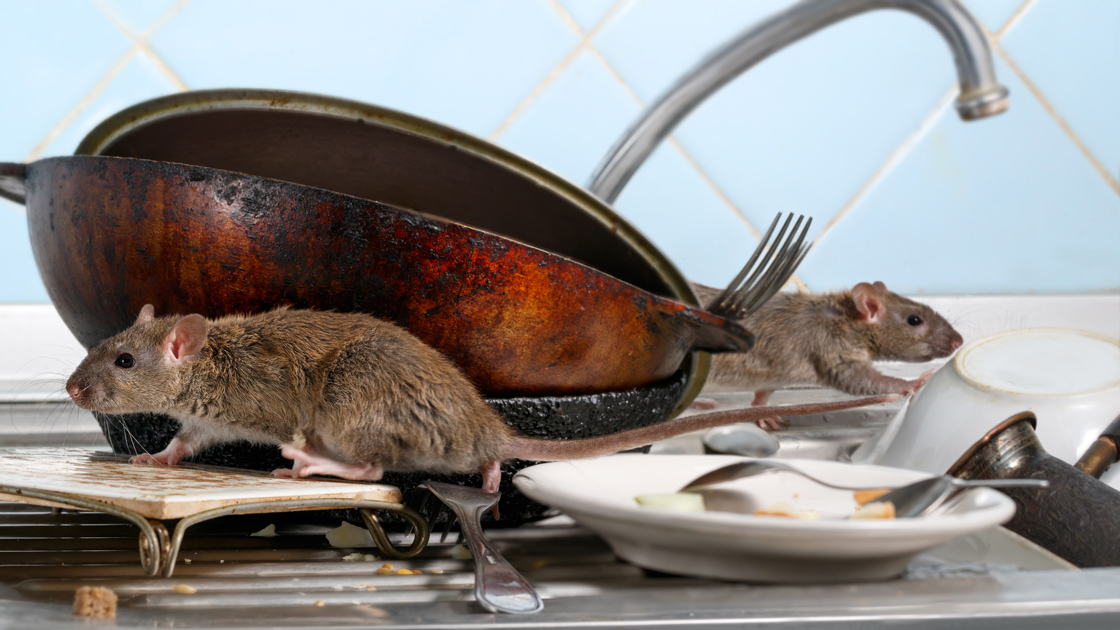
The German cockroach is the most common in US

A1Exterminators iStock 1052951844
German roaches are relatively small, rarely reaching more than half an inch in length. And they can’t fly, so are often introduced into new places by humans – catching a ride in your groceries, cardboard boxes, etc. But once they’re in, they can disperse rapidly. An infestation in one... more
Tagged with: ,

Bed Bug facts you probably didn’t want to know

A1Exterminators iStock 529952665
Once engorged after a blood meal, nymphal bed bugs may take on a bright red color. However, individual bed bug color may vary. Immature bed bugs maintain their reddish color for as long as they have remnants of their blood meal within their gut. As the blood meal is digested over time, they... more
Tagged with: ,

Rat Facts 2020

A1Exterminators iStock 91737954
Signs of a rat's presence are droppings, gnawing marks, tracks, runways, and burrows. Like mice, rats are nocturnal, have very poor eyesight, but have very strong senses of smell, taste, and hearing. Compared to mice, rats are much larger, have coarser fur, and have proportionately larger... more
Tagged with: ,

Rodent Tip Tuesday | Rat Movement

A1Exterminators iStock 998947554 1
Rats can enter a building through a hole as small as 1/2 inch in diameter. They are strong swimmers, so, rats will live in sewers and can enter buildings through broken drains or toilets. A rat will climb to get to the food, water, or shelter. Rats follow regular routines and paths each day. If... more
Tagged with: ,

Flying Squirrel Can Cause Damage

A1Exterminators iStock 478320718
Squirrels are non-aggressive however; they are capable of causing destruction. They dig up nuts and other items from the ground and they can leave huge holes in your yard. They can disrupt flowers and other vegetation and they can trample and eat out of your garden. If you have bird feeders,... more
Tagged with: ,

Physical Characteristics of Rats and Mice

A1Exterminators iStock 1046851734
There are over 70 species of mice and rats widely distributed across North America. The house mouse (Mus musculus), Norway rat (Rattus norvegicus) and roof rat (Rattus rattus) species are in the Muridae family, which is the largest family of rodents and mammals in the world. House mouse:... more
Tagged with: ,

Rodents in the US that Carry Hantavirus
A1Exterminators iStock 1151879875
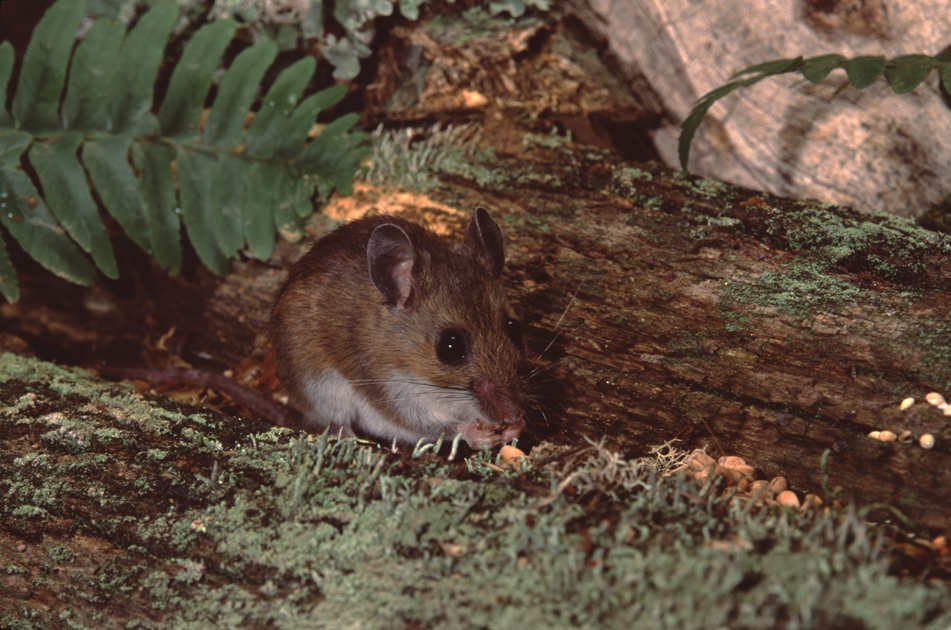
The Deer Mouse (Peromyscus maniculatus) is a deceptively cute animal, with big eyes and ears. Its head and body measure approximately 2-3 inches (5cm – 7.5cm) in length, and the tail adds another 2 – 3 inches. In color, the deer mouse ranges from grey to reddish brown, depending on age. The... more
Tagged with: , ,

Interesting Bed Bug Information

A1Exterminators iStock 530104997
Experts point out that, if necessary, bed bugs can get a blood meal from other bed bugs. While this may be a rare occurrence, it is possible, and it underscores the tenacity of this troublesome pest. Generally speaking, bed bugs can survive cold temperatures very well but succumb to heat... more
Tagged with: ,

Rodent Tip Tuesday | Rat Habitats and Breeding
A1Exterminators iStock 926985590
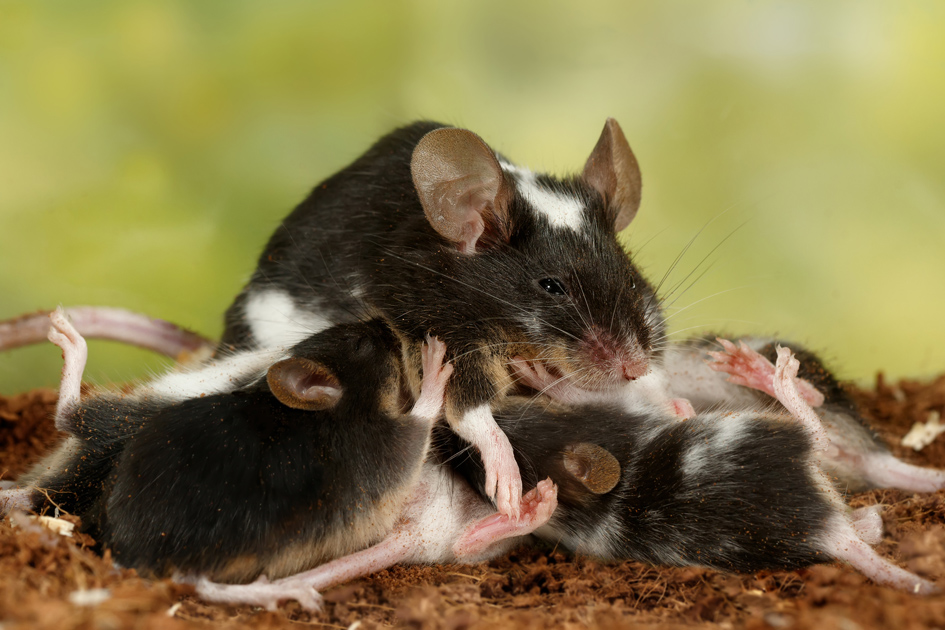
Rats will eat nearly anything, but they prefer fresh grain and meat. Rats need 1/2 to one ounce of fluid each day. If rats do not get this in the food they eat, they have to find water. Unlike mice, which rarely burrow, rats will dig under buildings, along fences, and under plants and debris.... more
Tagged with: ,

Cockroach enemy?

A1Exterminators iStock 1006066828
Most people think cockroaches are disgusting. And if you’ve ever turned on a kitchen light, to find them skittering for dark corners, you probably agree (reference: my first apartment). But of the thousands of species out there, only a few can be considered pests. There are well over 4,000... more
Tagged with: ,